5,000 ambulance trips avoided
The value of interoperability is not the interface itself. It is what happens when the right information reaches the right clinician at the right time.
The 2025/26 findings from the Humber and North Yorkshire End of Life Care Planning programme show that clearly.
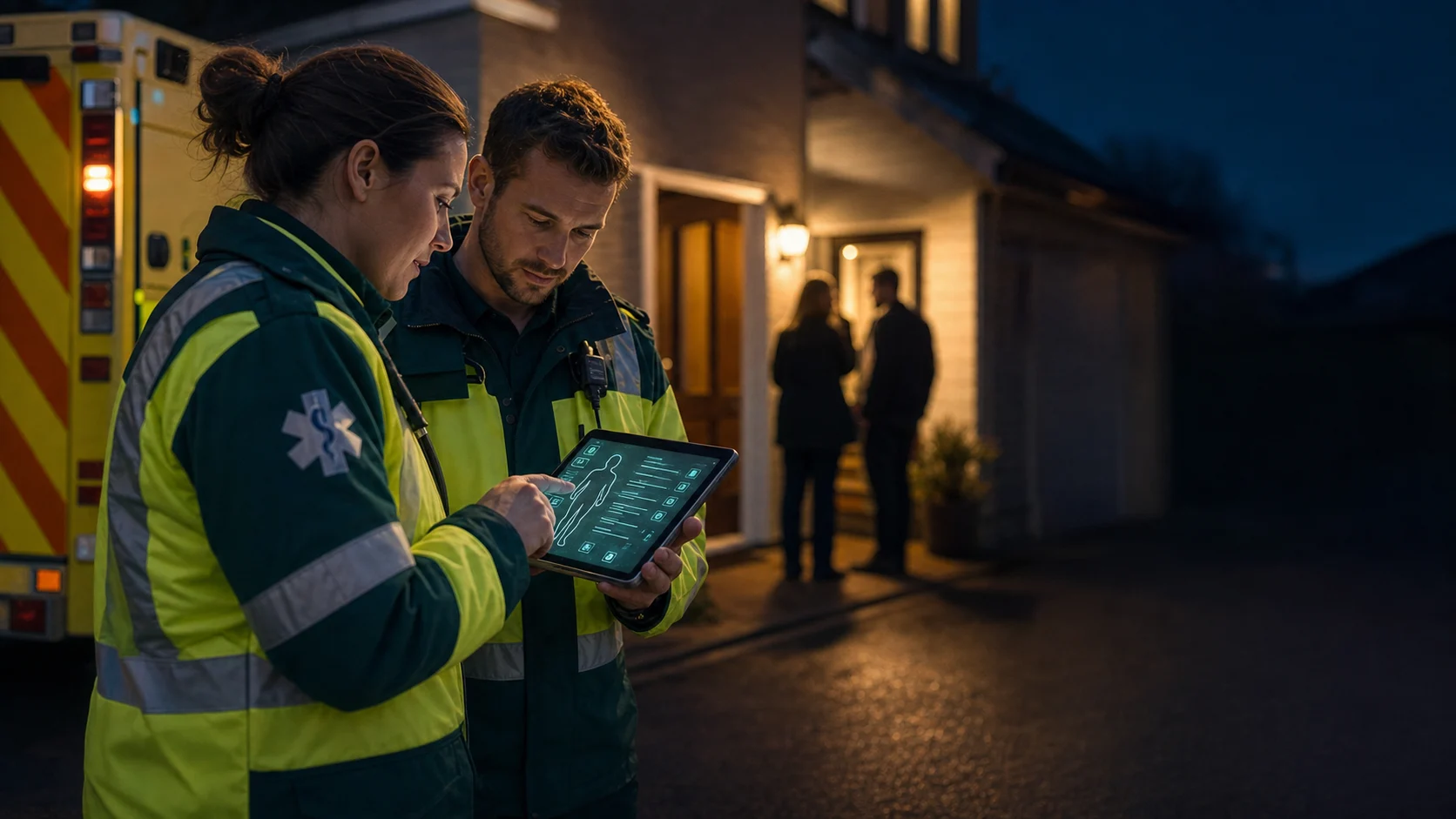
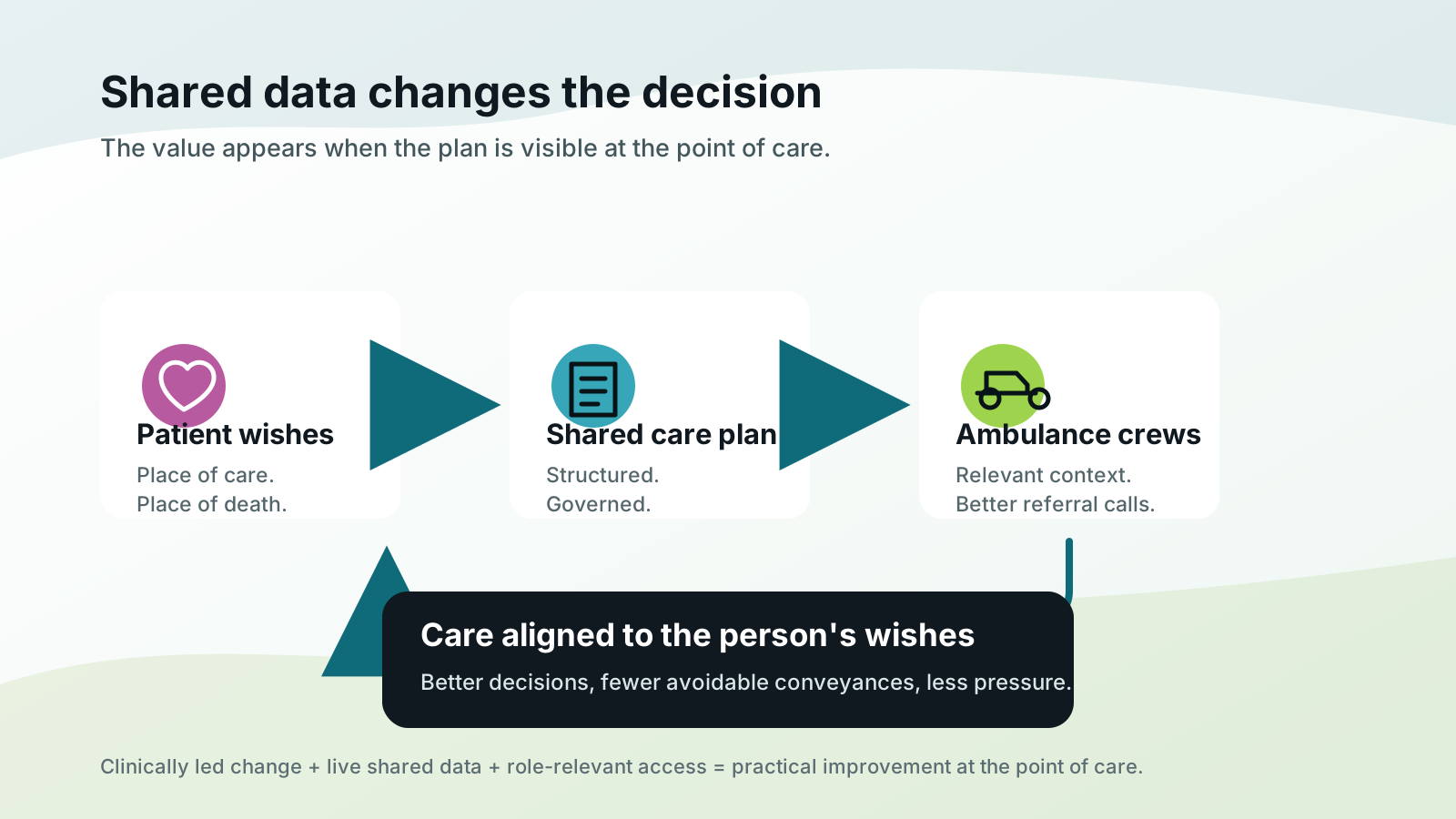
Access to end-of-life care plan information through the Yorkshire and Humber Care Record gives ambulance crews visibility of key details such as preferred place of care, preferred place of death, and other care priorities. That information supports better decisions at the point of care, especially when a person is unable to communicate or family members cannot recall the full clinical context.
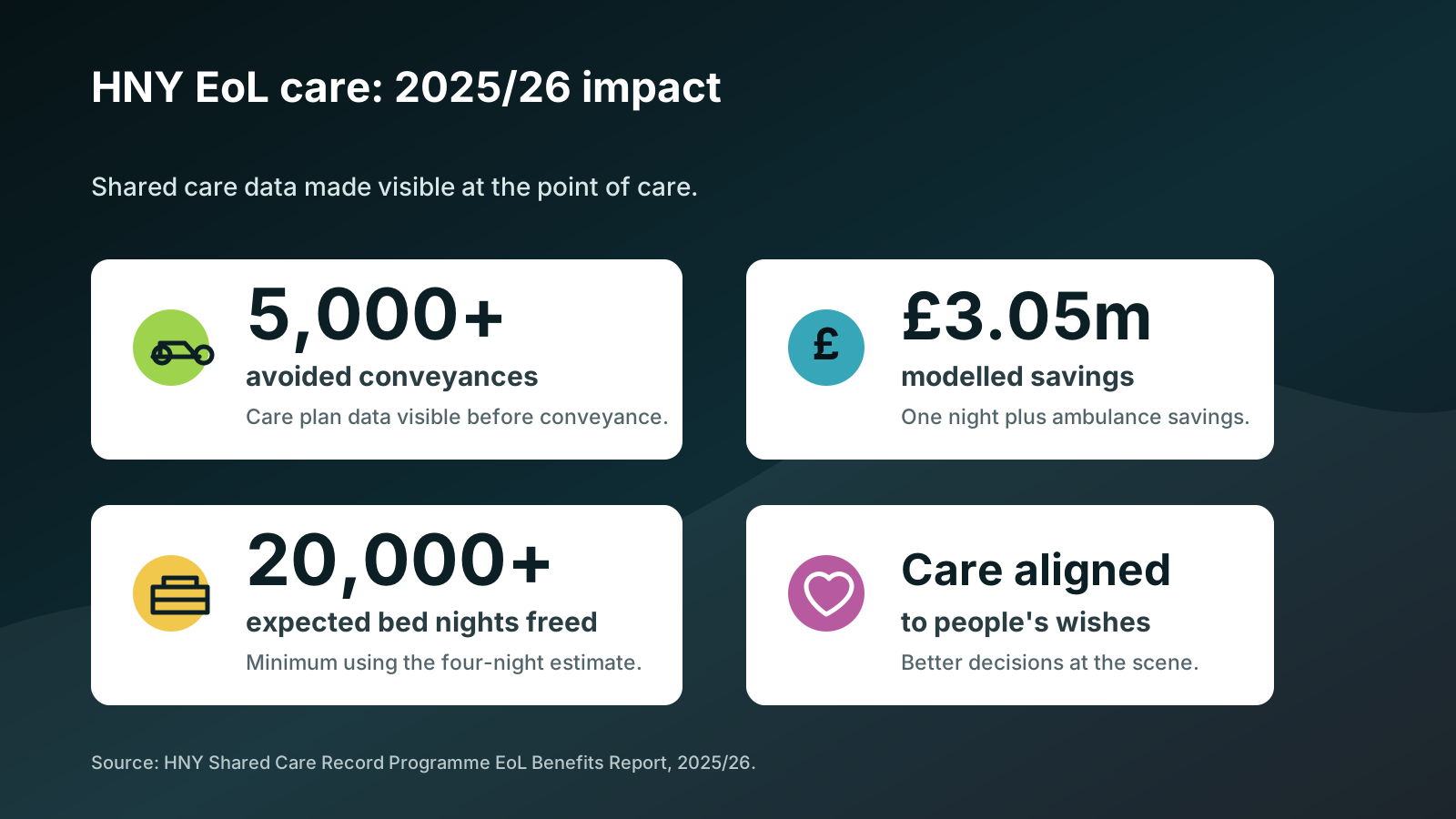
2025/26 reported impact
The programme reports:
- More than 5,000 avoided ambulance conveyances.
- £3,051,181 in modelled savings.
- More than 20,000 hospital bed nights expected to be freed as a minimum.
- More people receiving care aligned to their wishes.
The bed-night figure is based on an average of four to eight bed nights avoided for each person whose hospital conveyance is avoided. Using the conservative lower end of that range against just over 5,000 avoided conveyances gives a minimum expected impact of more than 20,000 bed nights.
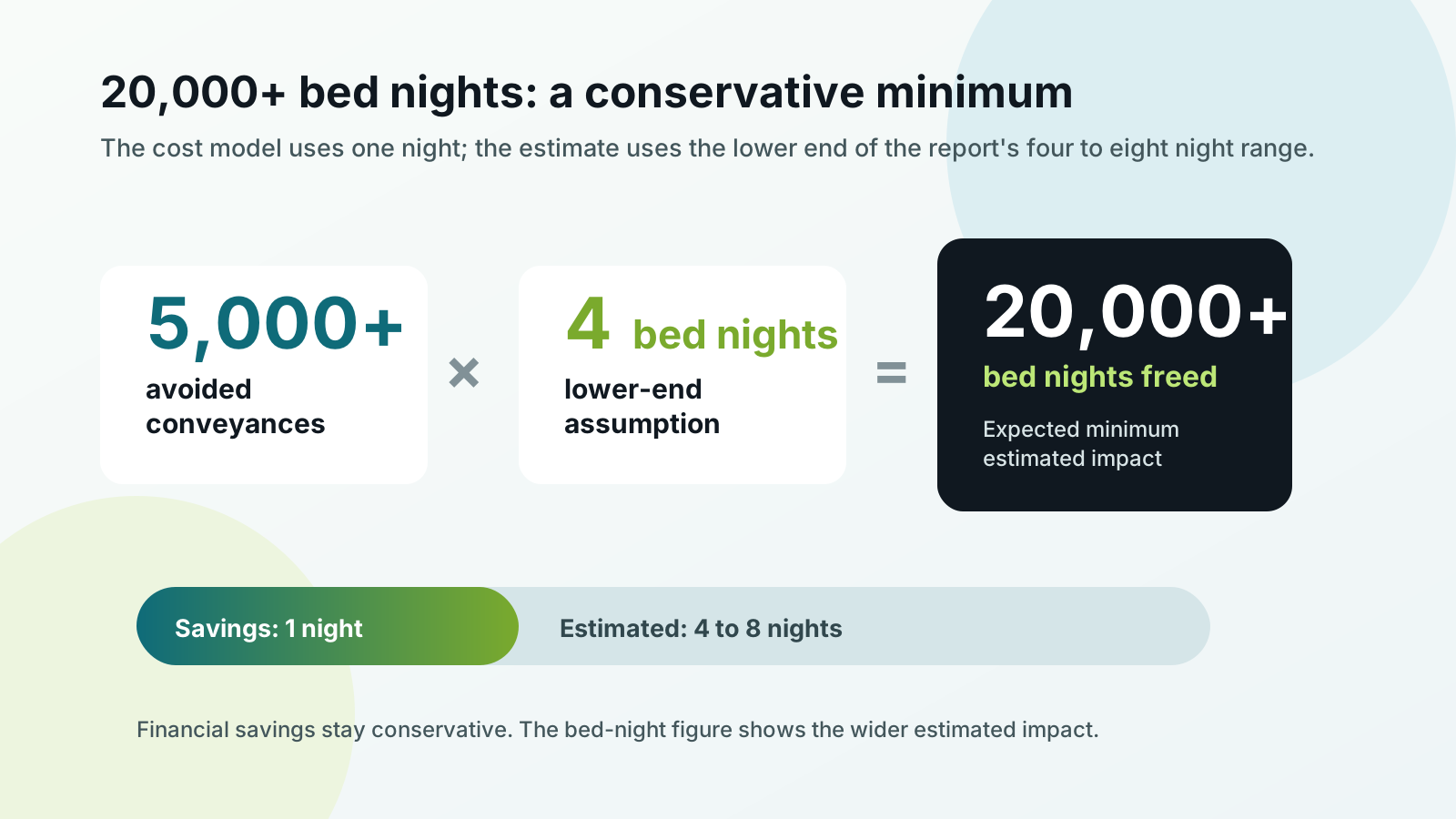
The financial saving reported is deliberately more conservative. The acute saving is modelled on a single avoided hospital night at £475 per avoided conveyance, with a further ambulance saving based on the difference between a conveyance journey and see-and-treat or refer activity. On that basis, the report identifies £2,387,670 in acute savings and £663,511 in ambulance savings, giving a total of £3,051,181.
Why this matters for patients and families
For people approaching the end of life, a conveyance is not just an operational event. It can determine whether someone spends their final days in hospital, at home, in a hospice, or in another place that better reflects their wishes.
The report highlights the importance of crews being able to see the person’s end-of-life preferences before a decision is made. That enables more informed conversations with other healthcare professionals and supports care that is clinically appropriate, coordinated, and person-centred.
One paramedic in the report described the value of the data in practical terms, saying that access to YHCR data helps crews "frame conversations" when speaking with other healthcare professionals.
That is the real test of digital transformation: whether it changes the decision in front of the clinician and improves the experience for the person receiving care.
Interoperability beyond the technical layer
Too often, interoperability is discussed as a technical problem: systems, interfaces, feeds, standards, and data flows.
Those things matter. They are the foundation. But the real value appears downstream:
- Clinicians have the information they need when they need it.
- Patient wishes are visible across organisational boundaries.
- Ambulance, emergency department, acute, community, hospice, and primary care teams can work from shared context.
- Avoidable pressure on ambulances, emergency departments, and hospitals is reduced.
- Care decisions can be better aligned with what matters to the person.
This is why live shared care plans and shared care records matter. They are not just repositories of information. Used well, they become part of the clinical workflow, supporting timely, auditable, role-relevant decisions across the system.
Clinically led change, enabled by shared data
The Humber and North Yorkshire findings show what can happen when clinically led change is supported by effective interoperability.
This is not only a technology story. It is a patient-centred care story, an ambulance service story, an acute-pressure story, and a system-wide transformation story.
Black Pear is proud to support the kind of standards-based, clinically governed interoperability that makes this possible. A huge credit is due to Humber and North Yorkshire ICB, partner organisations, Yorkshire Ambulance Service, and the frontline clinicians who have helped turn shared information into better decisions for patients and families.
Source: Humber and North Yorkshire Shared Care Record Programme, "EoL Benefits - Realising patient's wishes through data availability", 2025/26.
Stories, research and product updates from the team building the NHS's interoperability layer. We design and ship connected healthcare systems that help clinicians see the whole patient, not just a slice of them.
View all posts by Black Pear Team →